Common Travel Scams in New Cities (and How to Avoid Them)
What are the most common travel scams tourists should know before arriving in a new city?
Most travel scams rely on confusion, urgency, or “helpful” strangers who steer visitors into overpaying. Knowing the usual tactics before you land makes it easier to spot red flags, slow the interaction down, and walk away without feeling rude.
Taxi and rideshare tricks
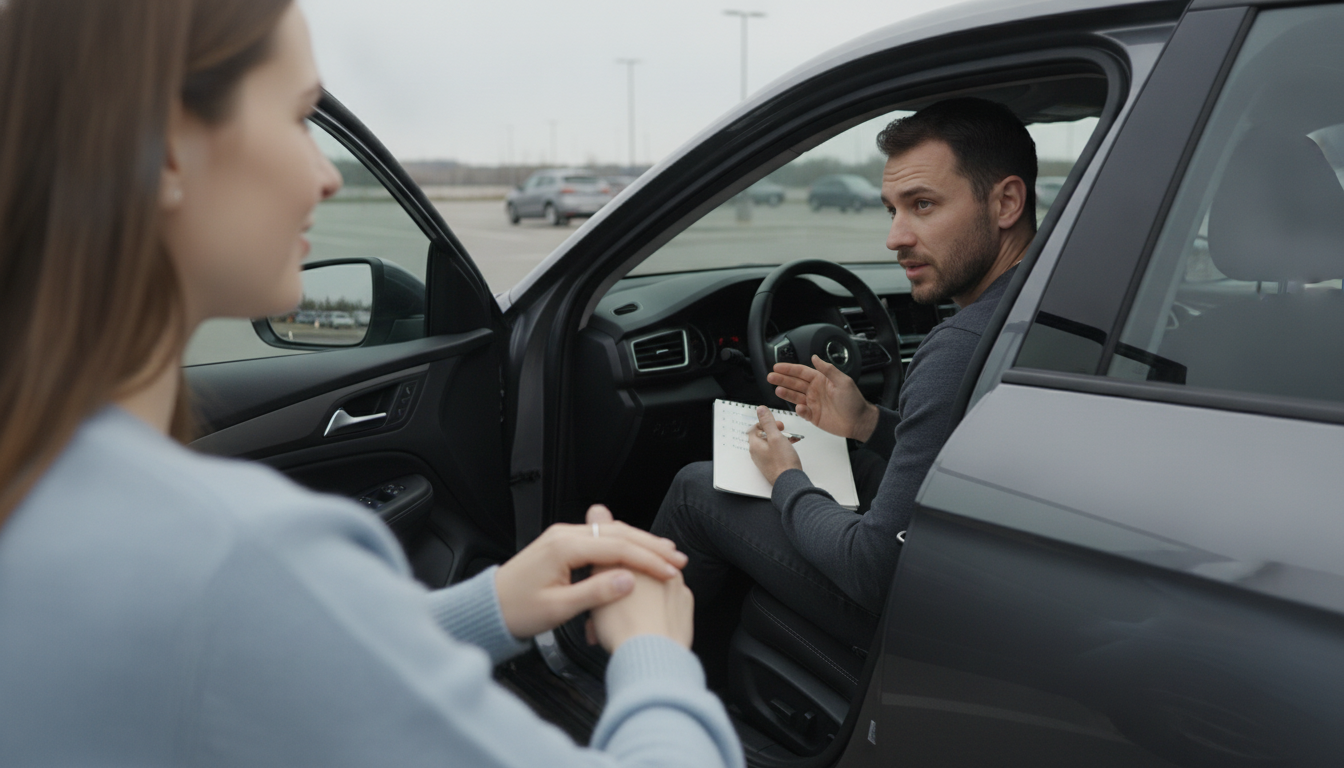
Common setups include “broken” meters, long-route detours, fake flat-rate claims, or being told a card reader is down so you must pay cash. Use official taxi stands, confirm the meter will be used (or agree on a price in writing where meters aren’t standard), and match the license plate and driver info in rideshare apps before getting in.
ATM and card skimming
Scammers target travelers at standalone ATMs with skimmers or hidden cameras, or they offer “help” while you withdraw cash. Choose ATMs inside banks, cover the keypad, and cancel the transaction if the machine looks tampered with or someone crowds your space.
“Friendly” locals, bracelets, and petitions
A classic approach is an unsolicited gift—bracelet, flower, or small souvenir—followed by aggressive demands for payment. Petition or “charity” clipboard distractions can also set up pickpocketing. Keep moving, don’t accept items placed in your hand, and keep bags zipped and in front in crowded areas.
Fake tours, ticket sellers, and closed attraction claims
Someone may claim a site is closed and redirect you to an overpriced “alternative,” a specific shop, or an unofficial tour. Verify hours on an official website, buy tickets through official channels, and be wary of anyone pressuring you to decide immediately.
Hotel phone calls and front-desk impersonation
Fraudsters may call your room pretending to be staff and ask for your card details “to verify your booking.” Hang up and call the front desk using the number you already have (not the one provided by the caller).
For a deeper breakdown and practical prevention tips, visit the full guide here.
FAQ
How can I avoid getting pickpocketed in crowded tourist areas?
Use a crossbody bag worn in front, keep zippers closed, and avoid placing phones or wallets in back pockets. In tight crowds, keep one hand on your bag and step away from anyone who bumps or boxes you in.









Leave a comment