Pet First Aid Kit Checklist: Must-Have Supplies
What should be in a pet first aid kit?
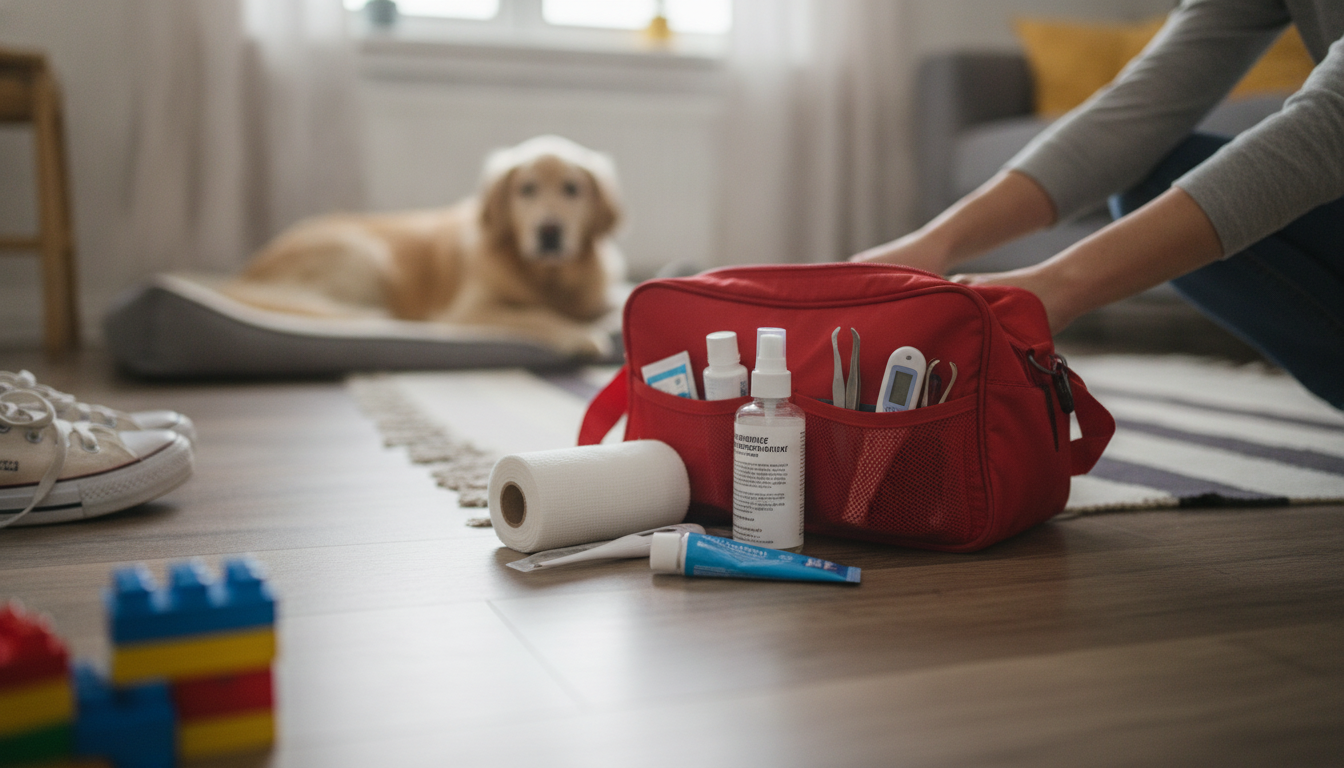
A well-stocked pet first aid kit should cover three basics: stopping bleeding, protecting wounds, and handling common emergencies until a vet can take over. It also needs a few pet-specific items that work safely with fur, paws, and sensitive skin.
Wound care and bandaging essentials
Start with sterile gauze pads and non-stick wound pads for covering cuts, plus a roll of gauze for wrapping. Add self-adhesive cohesive bandage (often called vet wrap) to secure dressings without sticky tape pulling fur. Include medical tape for controlled use and a small blunt-tip scissors to cut bandage materials quickly. Saline wound wash or sterile saline pods are useful for flushing debris, and antiseptic wipes or spray that’s labeled safe for pets can help clean around minor wounds.
Tools that make emergencies easier
Pack disposable gloves, a digital thermometer, and a lubricant (water-based) for taking a rectal temperature if needed. Tweezers can remove ticks or splinters, and a tick remover tool is even better for getting the mouthparts cleanly. A small flashlight helps check paws, ears, and mouths in low light. An emergency blanket can reduce heat loss after shock or exposure.
Comfort, restraint, and transport items
Even gentle pets can bite when scared or in pain, so include a soft muzzle or gauze that can be used as a temporary muzzle (never muzzle a vomiting pet). Add a leash, a slip lead, and a small towel for restraint or padding. A rigid card or small splint material can stabilize a limb, and an instant cold pack can help with swelling.
Helpful add-ons and information
Include a pet-safe styptic powder for broken nails, an eye rinse, and a list of emergency numbers (regular vet, 24/7 ER, poison control). Store everything in a waterproof container and review expiration dates twice a year. For a deeper checklist and packing tips, visit this complete pet first aid kit guide.
FAQ
How often should you replace items in a pet first aid kit?
Check the kit every 6 months for expired solutions, ointments, and medications, and replace any opened or dried-out sterile items. Restock immediately after any use so the kit is ready for the next emergency.











Leave a comment